- 15015 106 Ave NW Edmoton AB T5P 4J1 Canada Address
- Monday - Saturday: 8.00am To 5.00pm Open Hours
- info@ugandacultureindiaspora.com Mail to us
Blog Detail
Agriculture
Trevour
- 02 Comments
Modern Agricultural Farming
Modern Agriculture in practice In recent years, modern agriculture has undergone a significant transformation, with farmers adopting new techniques and technologies to increase yields, reduce waste, and improve sustainability.
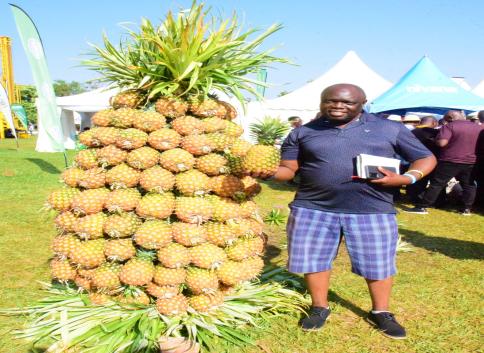
Pineapple is a tropical fruit that is grown in many countries around the world, including in regions of Africa, Asia, and South America. The fruit is highly valued for its sweet taste and numerous health benefits, including high levels of vitamins and antioxidants. As such, pineapple cultivation has become a major industry in many countries, with modern agriculture practices playing a critical role in its success.
One of the most significant advancements in modern pineapple cultivation is the use of hybrid varieties that are specially bred to be disease-resistant and produce higher yields. These varieties are often grown in controlled environments, such as greenhouses, to ensure that they receive the right amount of water, nutrients, and sunlight. Farmers may also use precision agriculture techniques, such as soil analysis and GPS mapping, to optimize planting and harvesting times and reduce waste.
Another key component of modern pineapple cultivation is sustainability. Many farmers are adopting practices such as crop rotation and integrated pest management to reduce the use of pesticides and other harmful chemicals. Additionally, some pineapple farms are embracing renewable energy sources such as solar power, to reduce their carbon footprint and improve their environmental impact.
Despite these advancements, modern pineapple cultivation is not without its challenges. Climate change and unpredictable weather patterns can affect yields and cause crop damage, while changing consumer preferences and market fluctuations can impact the profitability of pineapple farms. As such, farmers must remain vigilant and adaptable to ensure their success.
In conclusion, modern agriculture has had a significant impact on pineapple cultivation, helping farmers to produce higher yields, reduce waste, and improve sustainability. Through the use of hybrid varieties, precision agriculture techniques, and sustainable practices, pineapple farmers are able to meet the growing demand for this popular fruit while reducing their environmental impact. As such, pineapple cultivation is a prime example of how modern agriculture can improve food production and support a more sustainable future.
Get The Latest Updates
Signup For Newsletter
If You Want to Update For on Our Site a#Subscribe Now.